

Unlocking Profits: Essential Questions Wholesale Buyers Must Ask to Maximize Lumber 4
Unlocking Profits: Essential Questions Wholesale Buyers Must Ask to
Maximize Lumber
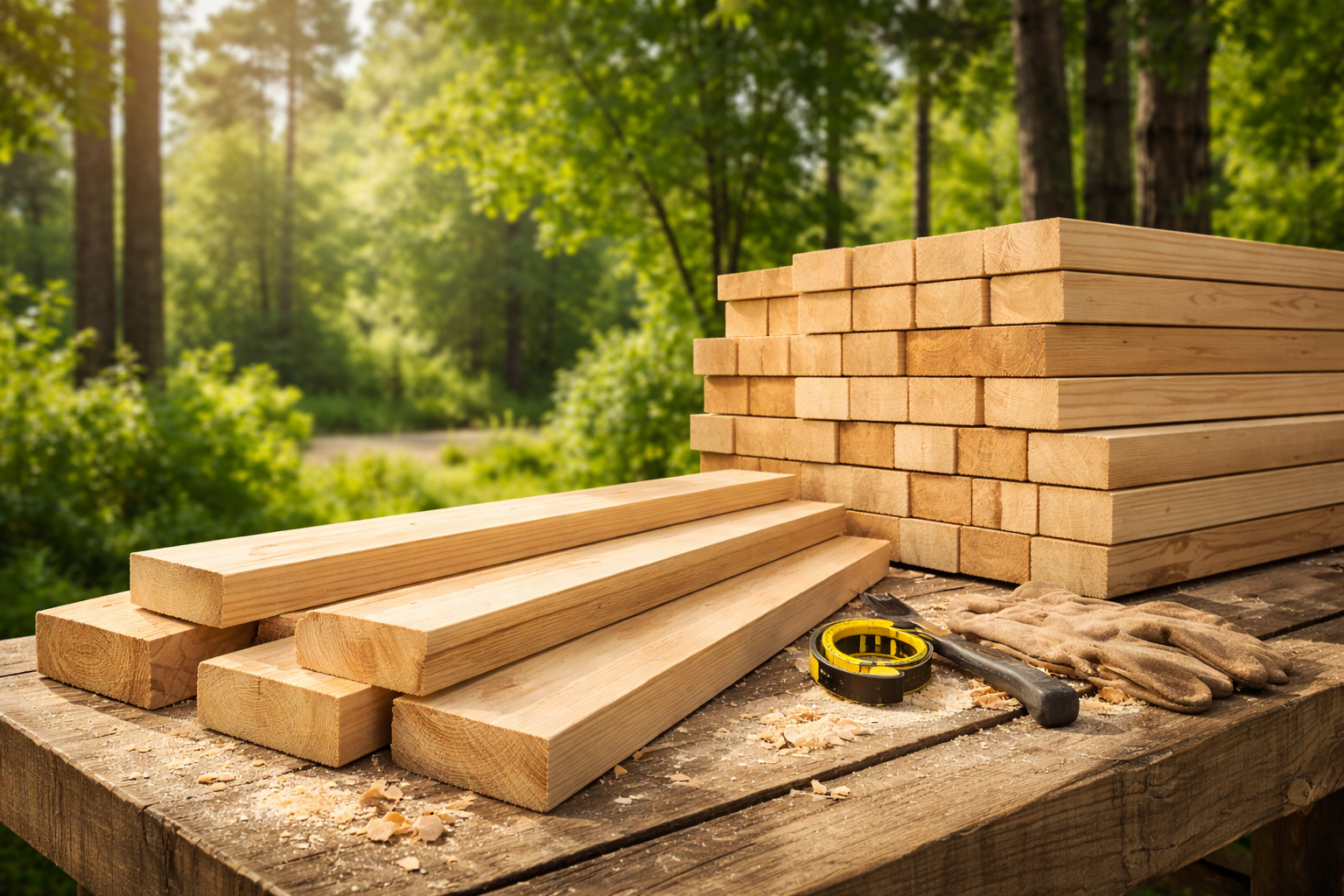
In the largely competitive world of noncommercial timber, maximizing return on investment (ROI) is pivotal for sustained profitability and growth. Lumber remains an abecedarian material in construction, cabinetwork timber, and colorful manufacturing sectors, making it a vital commodity for noncommercial buyers. Still, navigating the complications of the timber request requires further than just sourcing quality timber at a good price. It involves understanding request trends, force chain dynamics, and cost operation strategies to ensure that every bone invested yields the loftiest possible return.
Noncommercial buyers must ask the right questions to optimize their ROI, similar as assessing supplier trust ability, assessing quality norms, and assaying pricing oscillations. also, factors like force operation, timing of purchases, and understanding the demand cycles can significantly impact profitability.
As request conditions evolve with oscillations in raw material costs, tariffs, and environmental regulations, staying informed and visionary becomes essential for making sound investment opinions. Eventually, maximizing ROI on timber not only boosts immediate profit perimeters but also strengthens long- term business adaptability.
In this blog post, we will examine the current state of the timber industry, focusing on geographical aspects and the various factors affecting returns on investment. We will also highlight the key advantages and important considerations that buyers should be aware of, providing them with the necessary understanding to make more informed and profitable purchasing decisions. Ultimately, maximizing returns on timber investment not only enhances short-term profitability but also improves the long-term ability of a business to adapt and thrive.
Section 1: Problem / Trend Overview
The global timber assiduity presently navigates a period of paradoxical energy, characterized by surging demand set against significant force- side volatility. The primary assiduity issue stems from a fleetly citifying global population, particularly in Asia and Africa which drives massive construction and structure systems, adding the abecedarian demand for timber and finagled wood. Contemporaneously, a global movement toward sustainability is adding the consumption of wood- deduced products like paper, pulp, and bio-chemicals as backups for plastic and reactionary energies.
This robust, long- term demand foundation is now tested by complex geographical and political factors. Trade restrictions, similar as log import bans from major directors, and severe climate events like the record- setting Canadian backfires, have created force dearths, leading to sharp price oscillations in goods like timber. For buyers, this geography presents a binary challenge on how to secure stable, high- quality force while maximizing the capital returns on a hard asset whose value is tied to both natural growth and changeable global request forces. Strategic investment is no longer just about buying forestland, it’s about laboriously managing geopolitical threat, force chain adaptability, and the burgeoning request for environmental services like carbon insulation.
Consummate factors:
Tropical regions like Southeast Asia or Brazil offer the loftiest growth rates and shortest gyration ages, leading to potentially superior Internal Rates of Return (IRRs) frequently exceeding 15%. Still, these regions carry advanced political and nonsupervisory threat.
Temperate regions like the US and Europe offer lower, more stable returns (5- 10) with significantly lower threat and better structure. Lowering the cost of transporting gathered logs directly increases the “stumpage price” and overall profitability.
Crucial factors affecting Investment Returns (ROI) forestland returns are unique because they blend growth from nature with request dynamics Biological Growth. Trees constantly increase in volume, furnishing a steady, dependable return element that acts as a strong barricade against affectation and provides portfolio diversification, frequently contributing over 50% of the total return. Likewise, as trees grow larger, they” grow into” advanced- value products like sawtimber, dramatically adding their unit price. The most profitable species are location-dependent.
For instance, Loblolly Pine in the US South has strong market demand, while fast-growing Eucalyptus in South America or Pinus in New Zealand often drive high returns in their respective regions due to specialized industrial demand.
The closer a timber tract is to a concentration of mills, the lower the transportation costs for the harvested logs, directly increasing the “stumpage price” (the price a buyer pays for standing timber). A remote location can wipe out profitability, even with high-quality timber.
Access to well-maintained roads, rail, and deep-water ports is crucial for efficiently moving logs to domestic and international markets. Areas with superior infrastructure naturally command a higher land value for timber investment.
A reliable supply of skilled forestry labor and management services in the region ensures efficient, cost-effective operations, which is a major factor in controlling expenses and maximizing net revenue.
Analysis / Explanation:
The timber and wood items showcase is a gigantic and developing division. The worldwide showcase measure was assessed at an exceptional $992.43 billion in 2024 and is anticipated to reach $1,251.26 billion by 2030, developing at a Compound Yearly Development Rate (CAGR) of 4.7% (Source: Fantastic See Research).
Geographical and Application Breakdown
Regional Dominance: The Asia-Pacific showcase is the biggest, holding a 31.8% share in 2024. This dominance is driven by tall rates of urbanization and mechanical development in nations like China and India.
Application Drivers: The paper section, fueled by the worldwide move towards maintainable, biodegradable bundling choices, commanded a major income share of 58.9% in 2024. The private development division is too a basic driver, speaking to roughly 63.7% of the add up to wood items advertised.
